
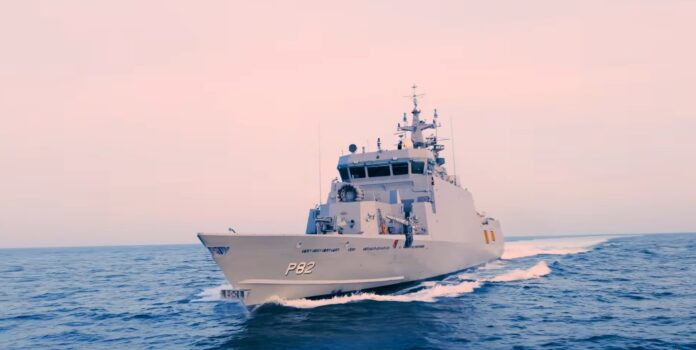
The Indian Navy on Monday commissioned INS Mangrol, the third Anti-Submarine Warfare Shallow Water Craft (ASW-SWC) built by Cochin Shipyard Limited (CSL), Kochi, at the Naval Dockyard in Mumbai, marking another significant milestone in India’s efforts to strengthen its coastal defence and underwater warfare capabilities.
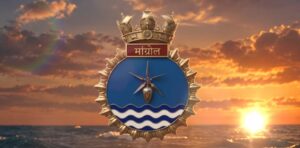
Named after the coastal town of Mangrol in Gujarat’s Junagadh district, a prominent fishing harbour on India’s western coast, the ship carries forward the legacy of the erstwhile INS Mangrol (M85), a minesweeper that served the Navy until April 2004.
The naming continues the Navy’s tradition of preserving the heritage of its former warships.
Constructed by Cochin Shipyard Limited under the Government’s ‘Make in India’ and ‘Aatmanirbhar Bharat’ initiatives, INS Mangrol represents a major step forward in indigenous defence shipbuilding and capability development.
Designed specifically to detect and neutralise underwater threats in coastal and shallow waters, the vessel is equipped with a suite of modern weapons and sensors, including the Abhay Hull-Mounted Sonar, lightweight torpedoes, an indigenous anti-submarine rocket launcher and the Mareech Advanced Torpedo Decoy System.
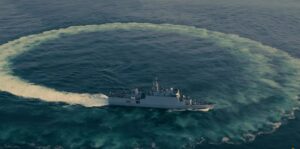
Powered by three diesel engines with waterjet propulsion, the ship offers exceptional manoeuvrability and operational flexibility in shallow-water environments.
The commissioning ceremony on 12th of October 2026 was presided over by Vice Admiral Sanjay Vatsayan, Flag Officer Commanding-in-Chief, Western Naval Command, and attended by senior naval and defence officials, representatives of the Ministry of Defence, Cochin Shipyard Limited, veterans, and indigenous defence industry partners.

Addressing the gathering, Vice Admiral Vatsayan described the induction of the warship as a reflection of India’s growing technological capabilities and commitment to self-reliance in defence manufacturing.
He noted that with over 80 per cent indigenous content, INS Mangrol stands as a testament to the country’s progress in warship design, construction and integration of advanced combat systems.
Highlighting the Navy’s ongoing expansion and modernisation, he said that ten naval platforms had been commissioned in 2026, with another eight expected to join the fleet in the near future.
By 2034, he added, nearly 60 per cent of the Navy’s platforms are expected to have an average age of less than ten years.
In addition to anti-submarine warfare missions, INS Mangrol is capable of conducting underwater surveillance, low-intensity maritime operations and mine warfare-related tasks.
The platform can operate in coordination with maritime patrol aircraft, helicopters and other naval assets to detect and counter submarine threats across littoral waters.
The induction of INS Mangrol is expected to significantly enhance the Navy’s ability to protect ports, harbours and coastal approaches while supporting wider fleet operations.
Amid an evolving maritime security environment and growing underwater threats, the commissioning of the indigenous vessel underscores India’s commitment to strengthening maritime security, operational preparedness and defence self-reliance.
With the commissioning of INS Mangrol, the Indian Navy has added another modern, indigenous capability to its growing fleet, reinforcing its readiness to meet emerging challenges in the underwater domain while advancing the country’s vision of Aatmanirbhar Bharat.